Performance Max Campaign Optimization
A client came to me after moving every campaign to Performance Max on an agency's advice, expecting to save on labor. Three weeks in, his ROAS looked great on paper while it was quietly bidding up his own brand name and losing money on real prospects. PMax isn't broken. Running it on autopilot usually is, and here's the audit I use to fix it.

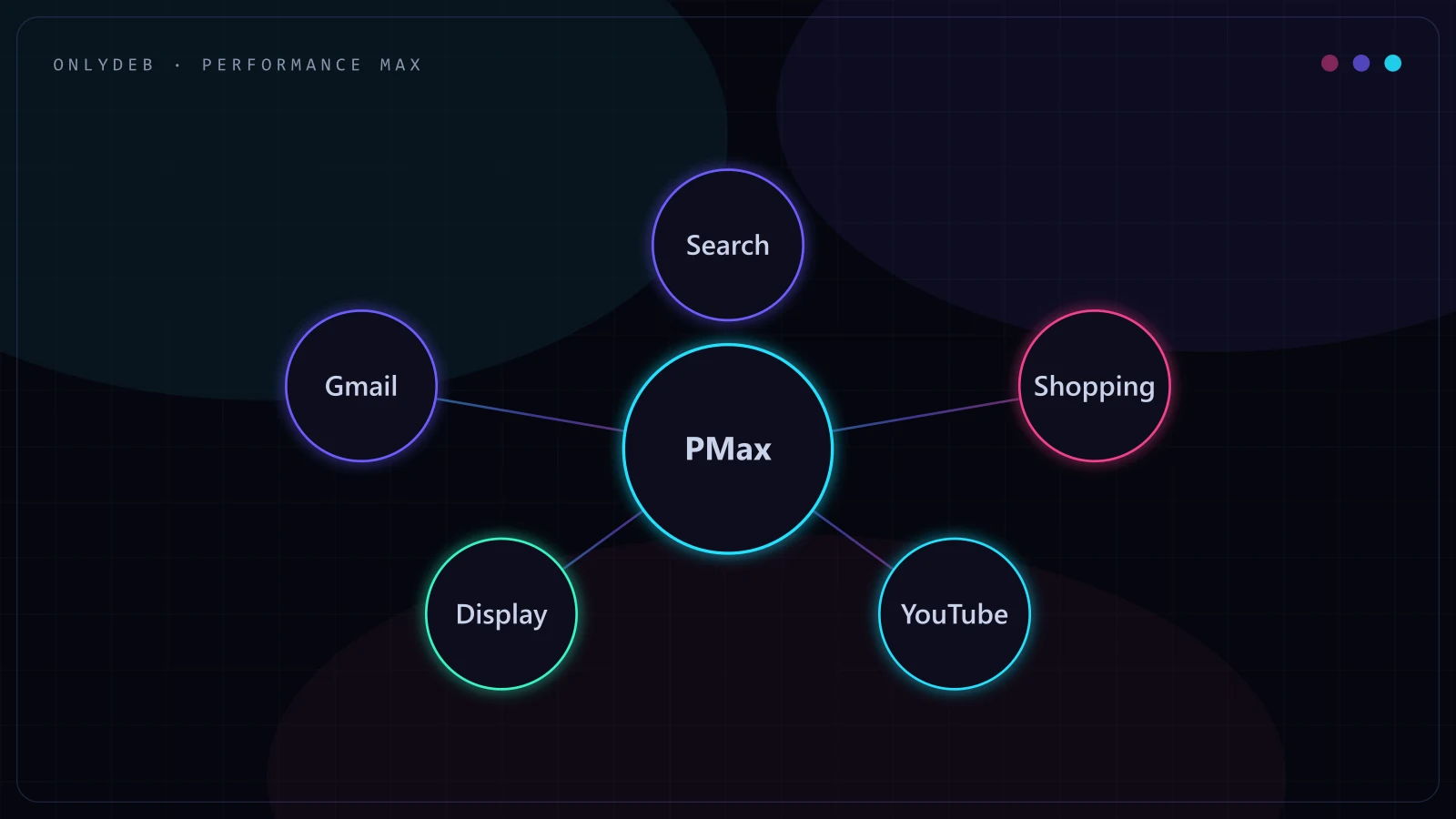
The Danger of "Set and Forget" PMax
The "set and forget" pitch is what sells PMax to small business owners, and it's exactly what gets their accounts into trouble. I've opened dashboards showing a strong ROAS headline number while the account underneath was quietly bidding up branded terms it already owned for free.
Performance Max (PMax) is a Google Ads campaign type that uses machine learning to serve ads across Search, Display, YouTube, Discover, Gmail, and Maps simultaneously. While Google markets it as a hands-off solution, businesses with strict profit margins typically lose 20-40% of their budget to low-quality display inventory when running PMax without proper guardrails.
I've audited more than 50 PMax campaigns, and the pattern repeats: branded search cannibalization inflates ROAS by 30-60% above true acquisition performance. If you run a B2B SaaS or E-Commerce brand, PMax often cannibalizes your branded terms, making performance look superficially good while acquiring zero net-new customers. My fix is always the same: strategic asset group segmentation, brand exclusions, and feed-only configurations.
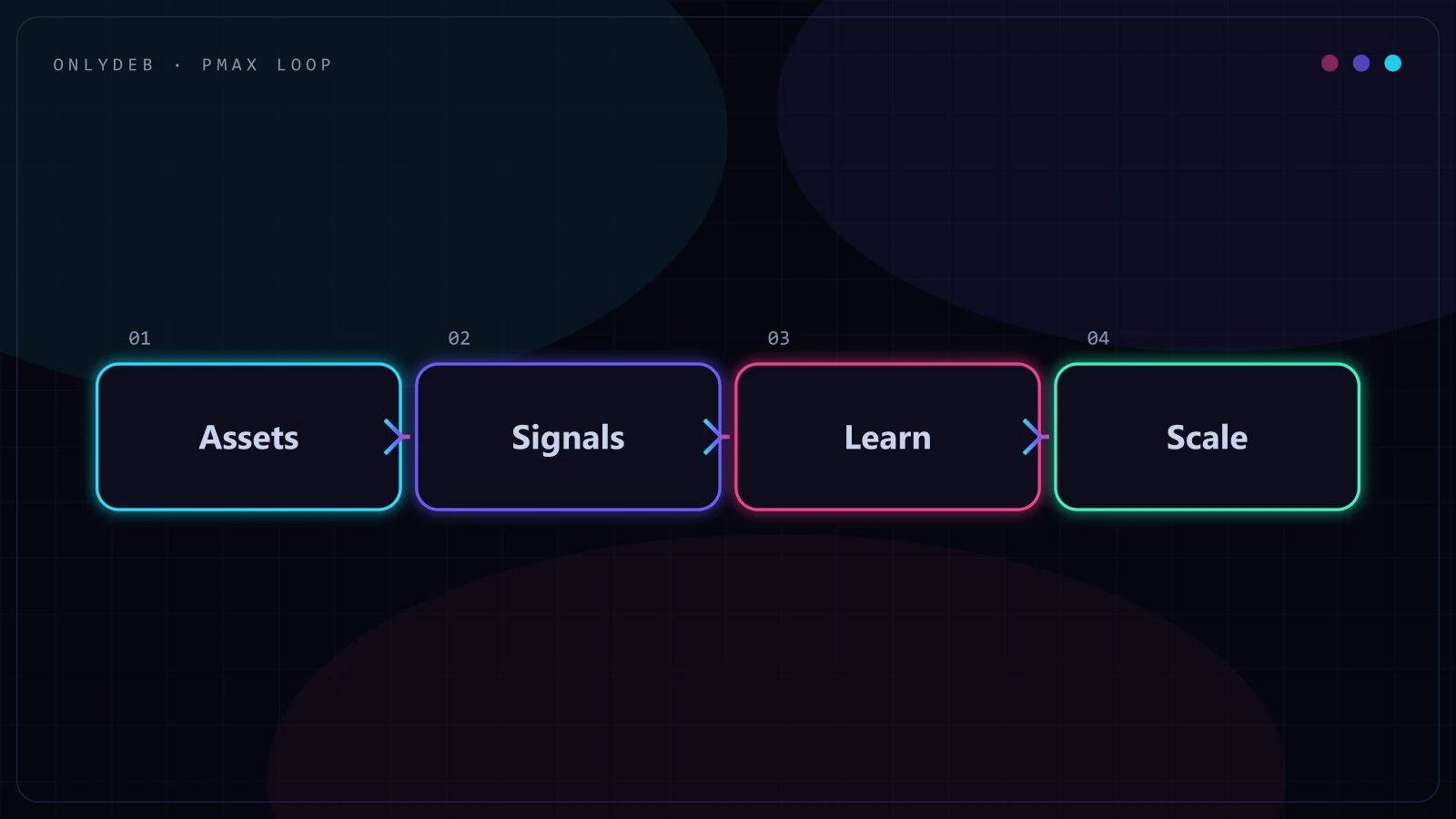
When to Use (and Not Use) Performance Max
Essential Optimization Strategies
1. Strategic Asset Management (TOFU)
- • Provide diverse, high-quality assets (text, images, video).
- • Regularly refresh underperforming assets based on Google's asset ratings.
- • Use the "Feed Only" option for targeted, product-focused performance.
2. Precision Audience Signals (MOFU)
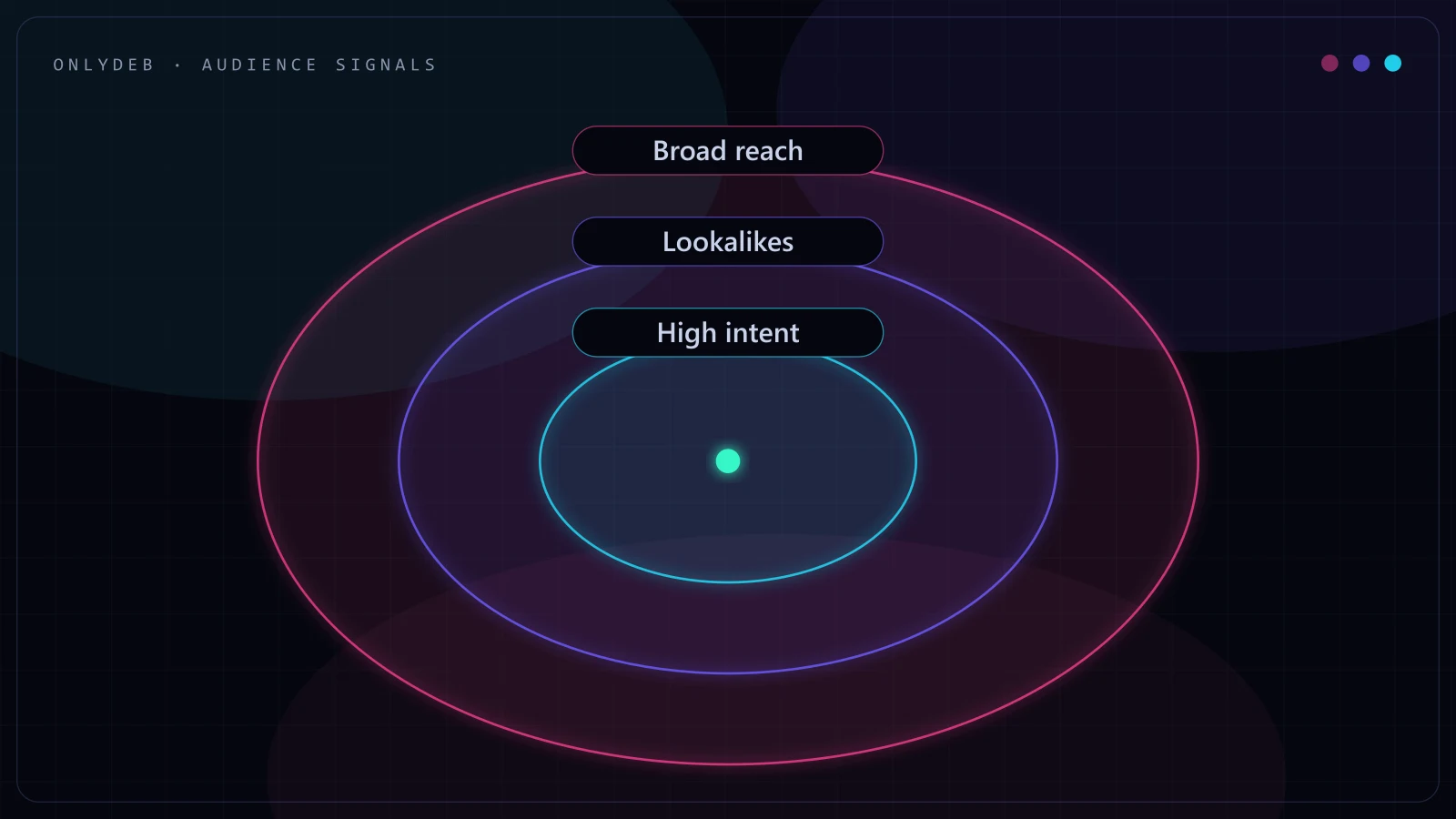
- • Use detailed first-party data (customer lists, site visitors).
- • Create custom segments aligned with audience behaviors.
- • I moved ROAS from 1.69 to 4.26 in four months on Black Voyage by tightening audience signals like this.
3. Solid Conversion Tracking (BOFU)
- • Enable Enhanced Conversions.
- • Ensure reliable, continuous tracking.
- • Consider offline conversion tracking for deeper insights.
Advanced Optimization Techniques
Stop guessing with your ad spend.
I build highly profitable Google Ads acquisition systems for ambitious brands. Stop burning cash on broad match and let's scale your ROAS properly.
Budget and Campaign Structure
- • Consolidate campaigns to focus budget and optimize data collection.
- • Avoid splitting your budget too thinly across numerous campaigns, as it hampers AI-driven optimization.
Exclude Branded and Low-Value Queries
- • Ensure branded keywords are fully excluded so you measure acquisition performance accurately.
- • Use Google's support to manage keyword exclusions proactively.
Diagnostic Reviews
- • I check Google's Diagnostics regularly on every account I manage, to catch asset, budget, or targeting issues early.
Refine Location Targeting
- • Choose "Presence" rather than "Presence or Interest" to avoid wasting budget outside target locations.
Funnel-Based Optimization
Common Pitfalls to Avoid
Final Thoughts
I've managed Performance Max inside accounts that add up to more than $5 million in combined spend, and the pattern repeats almost every time: early ROAS looks great, then reality sets in around week three. Patience and correct segmentation are what separate accounts that keep scaling from ones that stall.
Ready to Optimize Your Performance Max Campaigns?
Get expert Google Ads management and Performance Max optimization from a certified specialist.